

Macro photography is a photography style that focuses on capturing very small subjects in a clear and detailed way. It helps show fine details that are often missed when looking at objects normally.
If you want to know ‘what is macro photography?’, this blog is exactly what you need. In this blog, you will also learn how a macro photography lens works, the different types of macro photography, useful macro photography tips, and easy ways to improve close-up photography results.
Must Read: All About How to Master Depth of Field Photography Tips
Macro photography is a way of taking photographs where the camera is placed very close to the subject to show small details clearly. The subject itself may be tiny, but the final image highlights its texture, shape, and surface.
It is not about making something look bigger just for effect. It is about revealing details that usually stay hidden. Lines, marks, and patterns become easy to see when photographed closely.
Macro photography also requires careful handling. When the camera is close, only a small part of the subject stays sharp. Even a slight movement can change the focus. That is why patience matters in macro photography.
This form of photography works best when the subject is clean and simple. Too many elements in one frame can distract from the main detail. Clear focus, steady positioning, and soft lighting help create better results.
You can check the list below to understand the proper role of a macro photography lens:
A macro lens allows the camera to focus on the model or the object from a very close distance. This helps you as a photographer to understand the capture small details. It helps keep the image sharp even when the subject fills most of the frame.
With a macro photography lens, it becomes easier to control where the focus falls. This matters because only a small area stays sharp in close-up shots. Careful focus helps guide attention to the right detail.
A macro photography lens supports cleaner images with less blur. It helps reduce softness caused by close shooting distances. This results in clearer and more balanced close-up photos.
In conclusion, a macro photography lens helps with focus accuracy, sharpness, and clarity. It makes macro photography easier to handle and more consistent.
Macro photography can be done in different ways depending on the subject. Each type focuses on small details but presents them differently. Below are common types explained simply.
This type focuses on small natural details like textures, patterns, and surfaces found outdoors. It shows parts of nature that are often overlooked. The goal is to highlight structure and form clearly.
Common household items can become strong macro subjects. Small scratches, edges, and surface details become visible. This type helps develop attention to detail and observation skills.
This type focuses on shapes, lines, and color patterns rather than clear objects. The subject may not be easily recognized. The image focuses more on visual balance than identification.
In conclusion, these types allow flexibility and creative choice. Each approach helps explore small details in a different way.
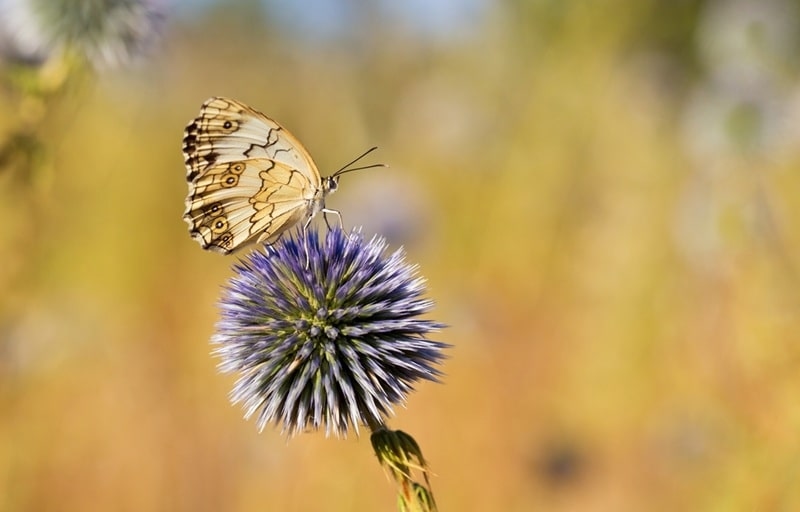
The following macro photography tips are exactly what you need to enhance your skills to capture the best details of the model or the object:
Macro photography tips often begin with stability. Even a small movement can cause a blur in the image that can hamper the image quality. Therefore, you should keep the camera steady in order to maintain a sharp focus and clean details.
Macro photography tips suggest keeping the frame simple. Focusing on one clear detail avoids distractions. This makes the image easier to understand.
Lighting affects how textures appear. Soft lighting reduces harsh shadows and highlights details gently. Balanced light helps create natural-looking results.
Dust and marks show clearly in macro images. Cleaning the subject improves the final result. This step helps avoid unwanted distractions.
Macro photography tips remind photographers to slow down. Fine focus adjustments matter at close range. Patience leads to sharper images.
In conclusion, these macro photography tips help improve clarity, focus, and control. Simple habits support better close-up photography results.
Macro photography becomes easier when simple steps are followed. Careful planning helps avoid common issues. Below are clear steps explained in simple language.
A simple subject with clear texture works best. It reduces distractions and makes focusing easier. This helps improve clarity.
Being too close can reduce sharpness. Adjusting the distance slowly helps find the best focus point. This improves image quality.
Balanced lighting supports clear detail. Avoid strong brightness that creates shadows. Soft light works better for close-up shots.
Always check focus before capturing the image. Small changes can affect sharpness. This step helps avoid blurred results.
Review the image after shooting. Make changes if needed. Improvement comes from careful observation and practice.
In conclusion, macro photography improves with patience and simple steps. Careful handling leads to clearer and more controlled close-up images.
Top Pick: Master Photography Composition Basics for the Best Shots
Macro photography helps reveal details that often remain unnoticed. By understanding the clear definition of macro photography and using a macro photography lens correctly, you can achieve better results. With steady practice and attention, close-up photography becomes easier and more effective.
This is a form of photography where you capture close-up photos of a model or object by focusing on them with a macro lens to achieve clarity and detail.
A macro photography lens allows close focusing while keeping details sharp. It improves control and clarity in close-up images.
Yes, everyday objects work well. Small textures often produce strong macro images.
This content was created by AI